Surveying
Residential Surveys - Conservation & Historic Buildings - Commercial - Schools & Academies
SAP (Standard Assessment Procedure) calculations for new homes and properties being converted into dwellings. These assessments demonstrate compliance with UK Building Regulations (Part L) and determine energy efficiency, carbon emissions, and Dwelling Emission Rates (DER).
SAP calculations for home extensions to ensure compliance with Building Regulations. These assessments confirm that new additions meet thermal performance and energy efficiency standards without negatively impacting the existing property.
Detailed calculations that determine the average thermal transmittance (U-value) of building elements such as walls, roofs, and floors. Used to demonstrate compliance where elements contain multiple materials or varying constructions.
Provisional energy assessments produced at design stage for new-build properties. PEAs provide an estimated Energy Performance rating and are required before construction is completed, often for marketing and off-plan sales.
Official certificates that rate a building’s energy efficiency from A (most efficient) to G (least efficient). EPCs are legally required for selling, renting, or constructing properties and include recommendations for improvement.
Assessments to demonstrate compliance with Building Regulations Part G, which limits potable water consumption in new dwellings. These calculations ensure water usage does not exceed prescribed litres-per-person-per-day targets.
Analysis required under Building Regulations Part O to assess and reduce the risk of overheating in residential buildings. This ensures comfortable internal temperatures through ventilation, shading, and glazing design strategies.
Advanced overheating assessments using dynamic simulation modelling in accordance with CIBSE TM59 methodology. These detailed simulations evaluate real-world performance by modelling occupancy patterns, solar gains, and ventilation strategies.
Guidance and assistance in identifying and securing government or private funding schemes for energy efficiency upgrades, retrofit projects, and low-carbon technologies.
End-to-end management of projects aiming to achieve net zero carbon performance. This includes strategy development, design coordination, compliance tracking, and performance verification.
Tailored strategies to reduce operational and embodied carbon emissions in buildings. Services may include fabric improvements, renewable energy integration, heat pump systems, and low-carbon design optimisation.
Guidance and compliance support aligned with the emerging UK Net Zero Building Standard, helping projects meet defined carbon performance benchmarks for both operational and embodied emissions.
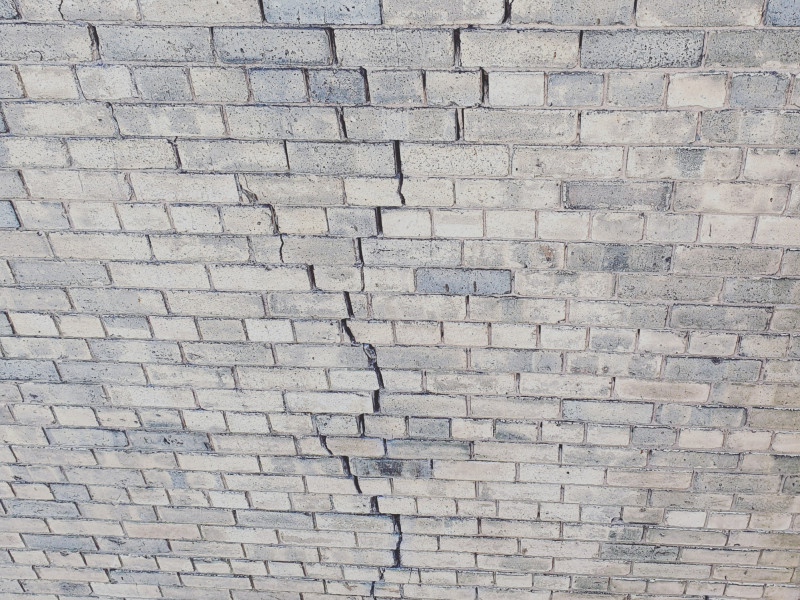
Residential Surveys - Conservation & Historic Buildings - Commercial - Schools & Academies
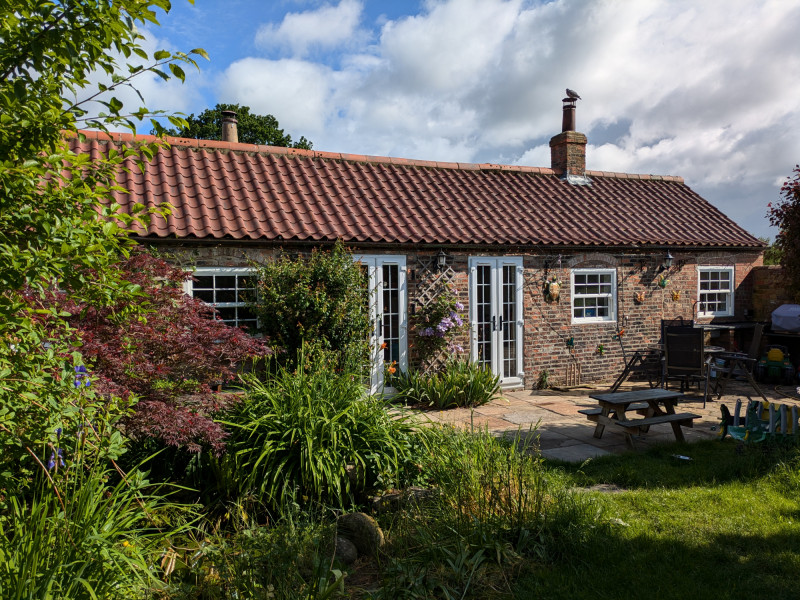
Feasibility & Site Appraisal - Design Concept - Measured Survey - Planning & Listed Building Consent - Technical & Building Regulation - CGI Visualisation - Virtual Reality
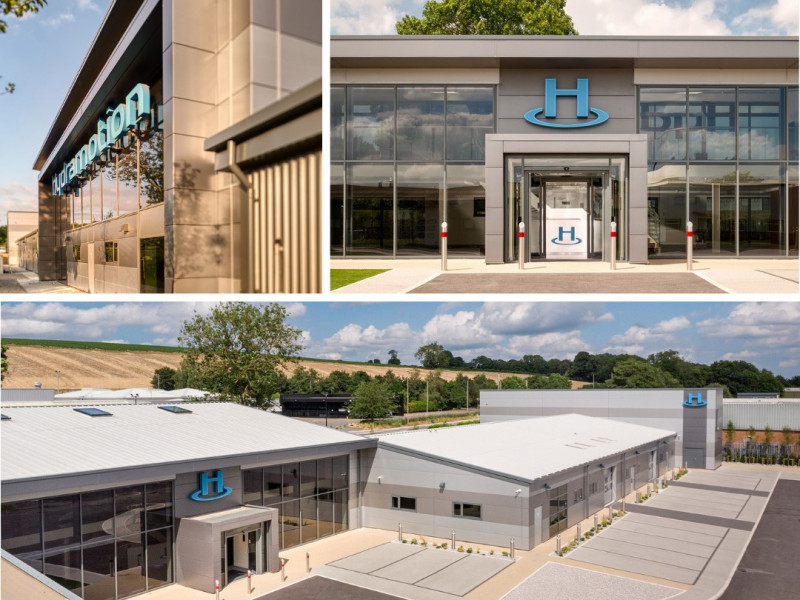
Contract Administration - Employers Agent - Quantity Surveying - Cost Management
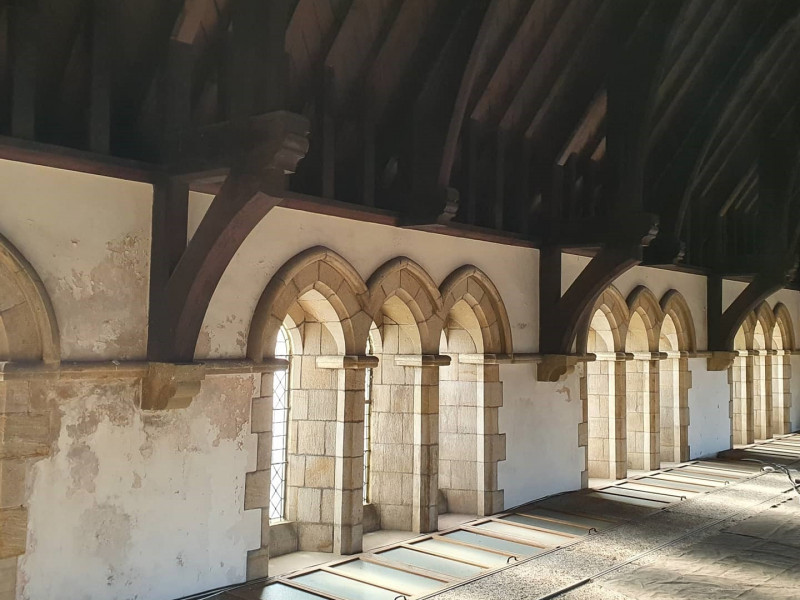
Health & Safety & Principal Designer - Education - Conservation & Historic Buildings - Modular & MMC